












|
What spirit courses through the grain of a hand made pipe born amidst a sea of electronic music and the jazz of Dexter Gordon? In the case of Lindner Pipes, that spirit is none other than the essence of Detroit soul.
Michael lindner is to pipe making what Helaman Ferguson is to sculpture—an artist and a visionary. He is a craftsmen dedicated to the perfection of spectacular techniques which allow his hands to rework nature’s elements into provocative objects of smoke-tinted ecstasy. Were his imagination as transparent as plated glass and open for the scrutiny of curious eyes, one would be hard pressed to find any discrepancies between the visions that blossom in his mind and the extraordinary pipes he carefully coaxes into being. But you can thank him for the goods later. Your first order of business should be to enjoy the exquisite form and function of a Lindner pipe—while listening to the musical opus that fueled its creation.
Mr. Lindner explained that the reason smoking one of his pipes is a singular experience is due to his attention to detail. He selects his briar wood from one of Italy’s top suppliers and cures it outdoors for a minimum of three years before working with it. By allowing the briar to experience the change in the seasons it will effectively bring in moisture and let it out gradually. “This curing process allows for a much cooler, smoother smoking experience with little or no break-in period,” he said. Lindner also hand cuts stems that are taken from solid rod stock as oppose to the stem blanks utilized by other US brands. “All the little touches that are engineered into the finished product give the smoker an effortless smoking experience from the very first bowl.”
Culling his inspiration from the storied history of Detroit and reflecting on its automotive design industry and art-deco architecture, Michael Lindner has synthesized his aesthetic roots in with his passion for function. “I realized that it was the human element that made a car sexy, or masculine, or elegant. It was the designer’s imagination and skill which determined how another person would respond, how it would make them feel. The fact that another person could create an object that would make my heart race just looking at it fascinated me.” Whether you’re lounging at home or sinking into the 19th hole after a joyous day on the links, Lindner pipes are guaranteed to satisfy,
inspire and perform.
|
|
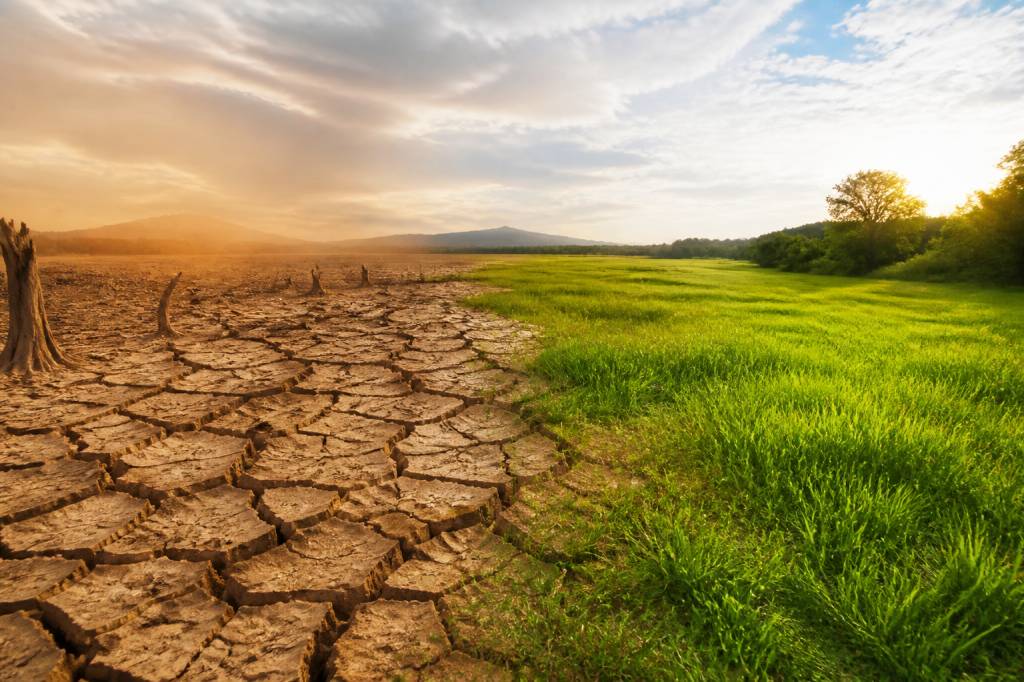
There is an ancient native american proverb that comes to mind when I think about the environmental hurdles our generation and those to come will have to face: We do not inherit the earth from our ancestors, we borrow it from our children.
The saying resonates today more than ever. We’ve all heard about various ways to reduce our personal impact on the environment, but perhaps it is time to seriously ask ourselves, how much damage do we do with what we choose to eat everyday?And by damage, I don’t just mean to our own health, but to the environment. Slow Food USA, a non-profit educational organization dedicated to preserving the food traditions of North America, puts it like this: we must see “the connection between the plate and the planet.”
Food is a basic need, and a topic we engage in rather regularly, if not excessively here in America; so it would behoove us to think about sustainable food practices.
According to the Regional Farm & Food Project, sustainable agriculture is “the process of staying
in sustained balance with nature: replacing and refreshing the natural resources—air, water and soil—consumed in the process of producing food.” Sustainable farms, adds SustainableTable.org, “do not damage the environment, are humane for workers and animals, provide a fair wage to the farmer, and support and enhance rural life.” Sustainable farmers use less fossil fuel (which lessens the impact on global warming) and no synthetic pesticides, artificial hormones or antibiotics, as opposed to factory farming, which is completely mechanized.
Factory farm animals are raised in confined spaces for efficiency's sake, which in the end means more profit for big companies. It also means excessive animal waste, air pollution and soil contamination, among other things. Animals often get sick because of the poor conditions, so they are often treated with antibiotics. This solves one problem, but in turn creates another: because of their overuse,
antibiotics are losing their effectiveness when treating infectious diseases in humans. Another issue to consider is the use of hormones—some animals, such as dairy cows, are treated with hormones such as rBGH to make them grow faster and increase milk production, which has adverse affects on cow and human health.
If you want to know more about factory farming versus sustainable farming, there is a plethora of print and online literature available. Slow Food USA also recently published a book called Renewing America’s Food Traditions: Saving and Savoring the Continent’s Most Endangered Foods. It’s based on The Ark of Taste, a catalog of foods that helps to preserve species and varieties of regional foods that are in danger.
Hopefully we’ll all pay more attention to what we put on our dinner plates: it might help save the earth, not to mention our lives. Below are a few practical ways to begin eating in a sustainable fashion:
BUY LOCAL
Buy food that is produced, grown, or raised as close to your home as possible. According to information provided by the Food Routes’ Buy Local Campaign, in the US the average item of food has traveled an estimated 1,500 to 2,500 miles before it reaches your dinner plate. This robs food of
freshness, not to mention nutrients. It also requires costly transportation and packaging. Visit your
local farmers market as often as you can. If you don’t know where the nearest one is, check out
the National Directory of Farmers Markets at www.farmersmarkets.com. Depending on your region, there could also be an abundance of local food artisans, especially in the realm of bread, cheese and wine. Check out the Eat Well Guide for local listings: www.eatwellguide.org. Eating local is better for you because it tends to be fresh and free of hormones and pesticide-free. It’s also better for your local economy—money stays within your community and you support family farms.
|